What Are the Benefits of Regular Dental Check-Ups?
Why routine check-ups matter, from spotting decay and gum disease early to screening for oral health concerns.
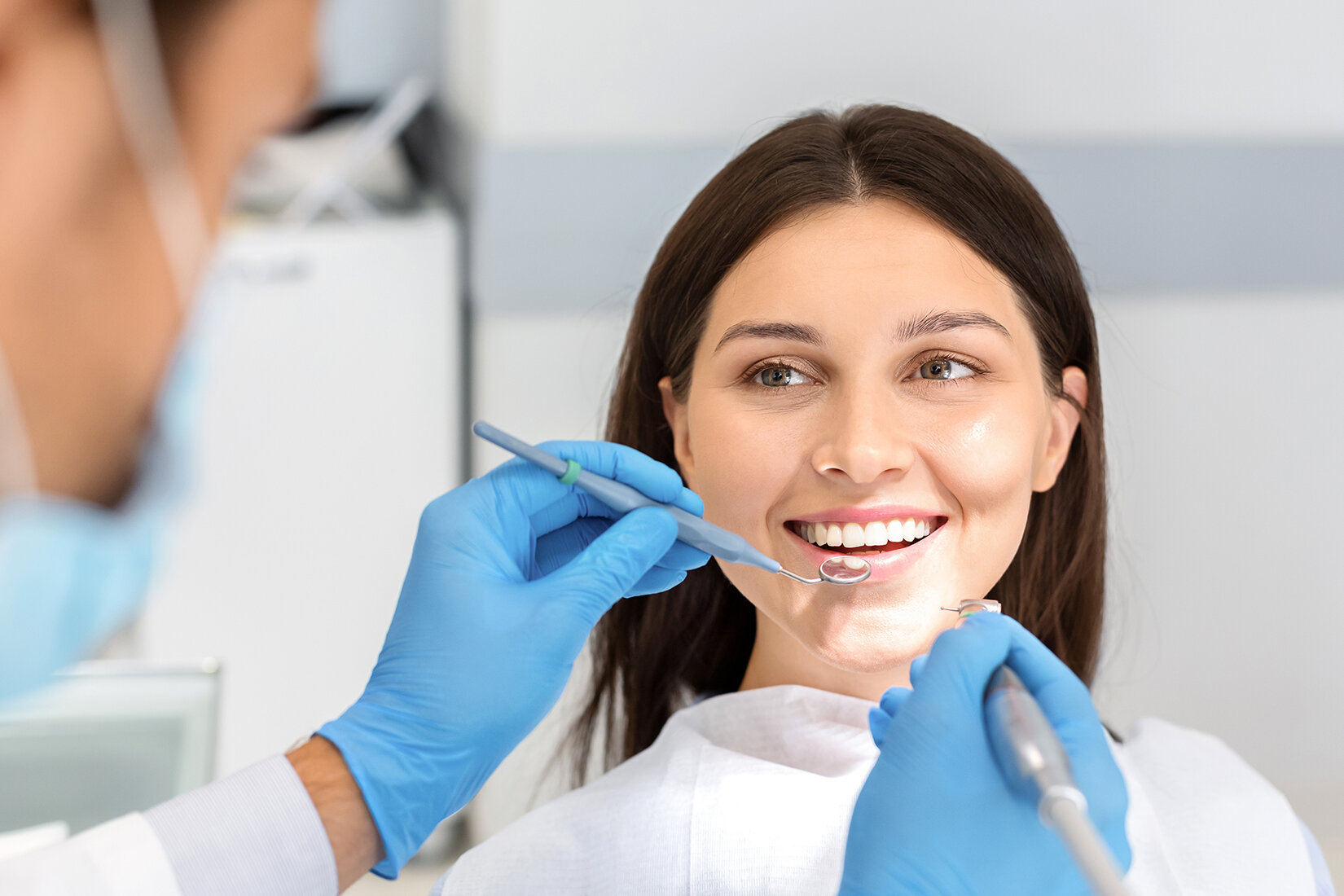
Why regular dental check-ups matter: investing in your long-term oral health
For many, a regular dental check-up feels like a chore, an appointment to be squeezed in only when necessary. However, this perspective overlooks the value of routine dental care. A consistent commitment to seeing your dental practitioner and dental hygienist is not merely about maintenance; it is a proactive strategy that offers health and emotional benefits that extend beyond the moment of the appointment itself.
At Egham Dental Care, we believe that preventive dentistry is one of the most sensible ways to look after your health. By understanding the core advantages of routine visits, you can move your approach to oral health from reactive fixing to proactive preservation.
Here are some of the main benefits of regular dental check-ups and professional cleaning.
Benefit 1: early detection can save teeth, time and money
The most compelling argument for regular visits lies in the principle of early detection. Dental problems, particularly dental decay, rarely announce their presence with immediate, sharp pain. By the time a toothache strikes, the underlying issue is usually advanced, requiring significant intervention.
Early detection can help
Routine check-ups, typically scheduled at intervals set by your dentist, often every six months, allow your dental team to spot the earliest indicators of trouble.
- Catching decay: A dentist can use visual examination, tactile probes and diagnostic X-rays to identify a small patch of demineralisation or a tiny cavity, what is known as a lesion in its initial stages. At this point, the problem can often be treated with a minor, straightforward dental filling or even non-invasively through fluoride treatments.
- Preventing escalation: If that decay were left for a year or two, it could penetrate the enamel and dentine, infecting the pulp at the centre of the tooth. The treatment then escalates dramatically, transitioning from a simple filling (a quick appointment) to a root canal treatment, or even tooth extraction followed by replacement with a bridge or dental implant (multiple complex appointments). Regular care is generally less disruptive to your life.
Benefit 2: the power of professional cleaning and plaque control
While daily brushing and flossing are essential, they are insufficient to fully eliminate all bacterial deposits. This is where the skill of the dental hygienist becomes important, offering one of the most immediate benefits of regular dental check-ups.
Removing calculus and preventing gum disease
The primary purpose of the hygiene appointment is the ‘scale and polish’, a detailed professional cleaning procedure.
- Plaque hardening: Plaque is a soft film of bacteria that, if left for even a few days, hardens into calculus (or tartar). This hardened substance cannot be removed by your toothbrush.
- Targeting the tartar: Tartar build-up near and below the gum line is the direct cause of gingivitis (mild gum inflammation) and its more severe counterpart, periodontal disease. The dental hygienist uses specialised instruments to meticulously scrape away this mineralised deposit, removing the bacterial irritant.
- Stopping disease progression: By removing tartar, the hygiene appointment can reverse gingivitis and help stop the progression of gum disease, alongside good home care. Without this intervention, the chronic infection could lead to gum recession, bone loss in the jaw and eventually the loosening and loss of otherwise healthy teeth. A regular scale and polish is an important defence against adult tooth loss.
Benefit 3: oral cancer screening
One of the most important, yet often overlooked, benefits of routine dental care is the oral cancer screening. This part of the check-up goes beyond the teeth to examine the entire soft tissue structure of the mouth and throat.
A thorough examination
During every routine visit, the dental practitioner performs a visual and tactile examination that can help identify problems early:
- Visual check: The dentist carefully inspects the lips, tongue (top and bottom), cheeks, gums and the roof and floor of the mouth, looking for any subtle changes. They are searching for white or red patches (leukoplakia or erythroplakia), persistent sores that fail to heal, or unusual lumps.
- Tactile assessment: The dentist also palpates (feels) the tissues in the mouth, the jaw, and the neck and throat for any unexpected lumps or tenderness.
The prognosis for oral cancer is significantly better when it is detected early. Since these lesions often do not cause pain in their initial stages, the dentist is frequently the first healthcare professional to spot the signs. This routine screening makes the regular check-up an important appointment, particularly for those with risk factors such as smoking, alcohol consumption or a family history of cancer.
Benefit 4: protecting existing dental work
Patients who have undergone complex restorative or cosmetic work, such as crowns, large dental fillings, bridges, veneers or dental implants, have had significant work done on their smile. Regular check-ups are essential for protecting and prolonging the life of these treatments.
Quality control and maintenance
- Restoration integrity: The dentist checks the seal around old fillings and crowns. Over time, margins can fracture or lift, creating tiny spaces where bacteria can enter and cause secondary decay beneath the restoration, hidden from view. Catching this early helps prevent total restoration failure.
- Implant health: For dental implants, maintenance is paramount. The gum and bone around an implant must be kept scrupulously clean to avoid peri-implantitis (a form of gum disease specific to implants). The dental hygienist uses special, non-scratching instruments to clean around the implant abutments, helping to preserve the surrounding bone and support the long-term success of the implant.
Benefit 5: supporting your general health
The health of your mouth is not isolated from the health of your body. Modern medicine recognises a link between oral health and general health.
- The inflammation factor: Chronic inflammation caused by untreated periodontal disease can contribute to inflammation throughout the body. Studies have linked gum disease with conditions such as cardiovascular disease and diabetes, although a causal link has not been proven.
- Overall wellness: By consistently removing the source of chronic oral infection through regular dental check-ups and hygiene appointments, you help manage your body’s overall inflammatory load, supporting your general well-being.
Benefit 6: bad breath and cosmetic confidence
While perhaps less medically urgent than the other points, the cosmetic and social benefits of routine dental care should not be underestimated.
- Addressing halitosis: Persistent bad breath (halitosis) is often caused by bacteria trapped in decay, under faulty restorations or within deep periodontal pockets. The clean environment established by a professional scale and polish, combined with the dentist’s ability to locate and treat the underlying cause, can help improve bad breath and boost social confidence.
- Aesthetic maintenance: Regular visits and professional cleaning maintain a brighter, cleaner smile. Removing surface staining from tea, coffee and red wine leaves the natural enamel looking clean and bright, making the smile more aesthetically pleasing and often reducing the perceived need for further cosmetic dentistry.
Benefit 7: personalised oral health coaching
Finally, the relationship you build with your dental professional during regular dental check-ups is one of coaching and guidance.
Every mouth is unique, and individual needs change based on diet, lifestyle, stress levels and medication. The dental team uses the check-up to assess the effectiveness of your home care routine, recommend specific products (like high-fluoride toothpaste or interdental brushes), and tailor advice to your current risk factors for decay and disease. This personalised guidance is essential for making your daily oral hygiene routine as effective as possible.
The consistent, proactive nature of preventive dentistry is important. Regular check-ups can help reduce the risk of pain and tooth loss, and support your general health and quality of life.
At Egham Dental Care, we are dedicated to helping every patient benefit from tailored, professional care. If you are due for your routine check-up and hygiene appointment, or if you are considering advanced care such as dental implants, our team in Old Windsor, Berkshire, is ready to welcome you.
Take the next step today to look after your future oral health.

Call us or book your free consultation. We’re always happy to chat.
Frequently asked questions
Everything you need to know before your first appointment.
How often should I have a dental check-up?
Check-up intervals are set by your dentist according to your individual needs, often every six months, which allows your dental team to spot the earliest signs of decay and other problems.
Can a scale and polish reverse gum disease?
A scale and polish removes hardened tartar that your toothbrush cannot. Removing it can reverse gingivitis and help stop gum disease progressing, alongside good home care.
Can a dental check-up help with bad breath?
Yes. Persistent bad breath is often caused by bacteria trapped in decay, under faulty restorations or in deep gum pockets. A professional clean and treating the underlying cause can help improve bad breath.
Why does tooth decay often go unnoticed?
Decay rarely causes sharp pain early on. By the time a toothache starts the problem is usually advanced, which is why routine check-ups aim to catch small lesions early.
What does an oral cancer screening involve?
The dentist inspects your lips, tongue, cheeks, gums and the roof and floor of your mouth for patches or sores, and feels the mouth, jaw, neck and throat for unexpected lumps.
How do check-ups protect crowns, fillings and implants?
The dentist checks that old fillings and crowns are still sealed, as lifted margins can let bacteria cause hidden decay. Around implants, the hygienist uses special instruments to help prevent peri-implantitis.
Is gum disease linked to general health?
Studies have linked gum disease with conditions such as cardiovascular disease and diabetes, although a causal link has not been proven.
Can a professional clean make my teeth look brighter?
Yes. Professional cleaning removes surface staining from tea, coffee and red wine, leaving natural enamel looking clean and bright.
Will a dentist in Old Windsor give me personal oral hygiene advice?
Yes. The team assesses your home routine and may recommend products such as high-fluoride toothpaste or interdental brushes, tailored to your current risk of decay and gum disease.
What our patients say.
"I’m a terrible patient, I’m anxious and I don’t floss! But Darren is an amazing hygienist he’s SO patient and gives practical advice to improve your oral health. He respects the anxiousness and always offers to give a break, which is highly appreciated ! And Dr Kiran is EPIC! Gentle hands and kind, matches your anxiousness with a careful pace , highly recommend her for fillings and regular check ups. She has also treated my husband for TMJ. After a lot of consideration and multiple opinions we are grateful to have gone with her as she has been so good at every step. So if you’re unfortunate to have bigger problems than just fillings, she’s fantastic at that too! And I have to add that Preeti at reception is always so helpful and friendly - and gives great advice!"
"It's been a few most since we started the journey of repairing the damage I've done to my teeth over the years and I don't normally hear from people that it's pleasure to go to the dentist but for me it is, he's patient, polite and chatty. He talks me through the next steps and gives me encouragement. Previous dentists was unpleasant and I always dreaded going but now I don't."
"I just wanted to say such a huge Thank you to the team at Egham Dental Practice for their care and professionalism today. I was absolutely dreading having my tooth out as I’m a very nervous patient but honestly Dr Jatin couldn’t have been kinder or more patient with me. Thank you."
"I had a broken tooth, and they accepted me an emergency appointment and fixed for me same day. Excellent service and very reliable dentist. I would definitely consider them for next time. Pricing was a bit expensive but 100% worth saving my day"
"very good! very kindly staff and the doctor very professional."
"What a great team. Very friendly and professional.They make you feel comfortable and at ease within the surgery. Excellent dental care. Recommended."
"Always an easy visit. Won’t say a pleasure but dentist never is. Everyone always kind and considerate. Special mention to Darren who kindly helped me with the stairs which are difficult for me. You have kindly agreed to see I am treated downstairs in future so will see you again in April. Many thanks"
"all good and very professional as usual. highly recommended."
We’re in Old Windsor.
96 Straight Road, Old Windsor, Berkshire, SL4 2RX. Free parking and easy access from Egham and Windsor.
Thank you, we have received your request
We will be in touch to arrange your complimentary consultation.
Book your free consultation.
No obligations. Honest advice. A clear treatment plan and a warm welcome at our Old Windsor practice.
Book a free consultationMeet the team