
Why Do My Gums Bleed When I Brush? Causes and When to See a Dentist
Learn why your gums may bleed when brushing, the signs of gum disease, ways to care for your gums and when to arrange a dental examination with your dentist.
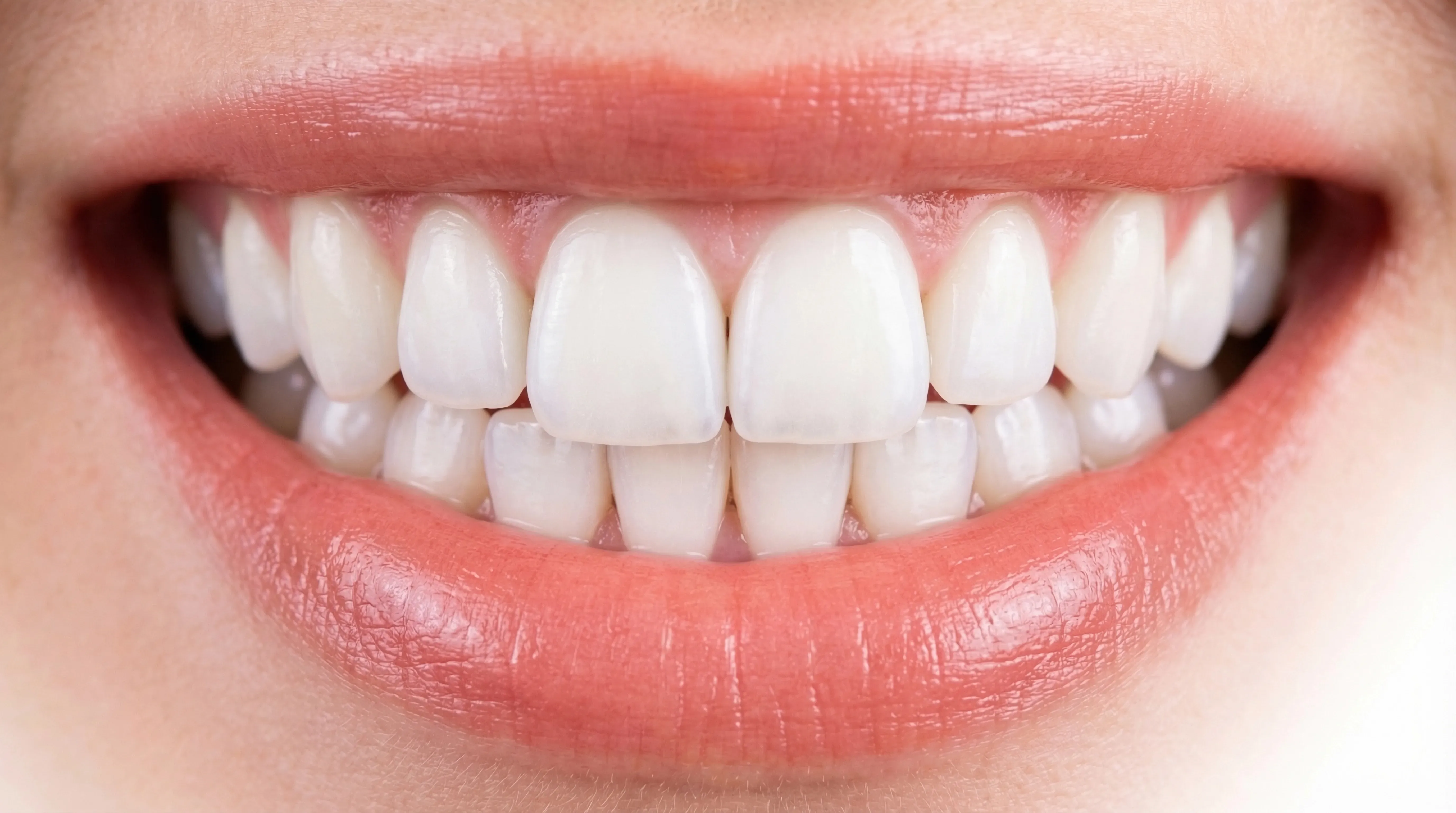
Have you ever noticed a little blood in the sink after brushing your teeth? Perhaps your toothbrush has a pink tinge, or your gums bleed when you floss. It can be tempting to ignore it, especially if there is no pain. However, bleeding gums are not something you should automatically consider normal.
In many cases, bleeding is associated with inflammation caused by plaque build-up along the gumline. It may be an early sign of gum disease, although other factors can also contribute.
The important thing is to understand why your gums are bleeding and what you can do about it.
At Egham Dental Care Implant and Cosmetic Centre, maintaining healthy gums is an important part of looking after your overall oral health. If you are searching for a dentist in Windsor or the surrounding areas, knowing when to seek a dental examination can help you address gum problems before they progress.
Is It Normal for Gums to Bleed When Brushing?
Healthy gums should not regularly bleed during normal brushing or flossing.
Occasional bleeding may happen if you accidentally brush too hard or injure the gum tissue. However, repeated bleeding, particularly around several teeth, may indicate inflammation.
You may also notice:
- Red or swollen gums.
- Tenderness around the teeth.
- Bleeding when eating harder foods.
- Persistent bad breath.
- Gums that appear to be pulling away from the teeth.
- Changes in the way your teeth fit together.
These symptoms should be assessed by a dentist rather than ignored.
What Causes Gums to Bleed?
There are several possible reasons why your gums may bleed.
1. Plaque Build-Up and Gingivitis
One of the most common causes is gingivitis, an early form of gum disease.
Plaque is a sticky film of bacteria that constantly forms on the teeth. When it is not removed effectively, it can accumulate along the gumline and trigger inflammation.
You may notice that your gums look red, feel swollen or bleed during brushing.
The good news is that gingivitis can often be reversed with effective oral hygiene and professional dental cleaning.
2. Brushing Too Hard
Using excessive pressure when brushing can irritate the delicate gum tissue.
A hard-bristled toothbrush or aggressive brushing technique may contribute to gum irritation and, over time, gum recession.
Use a soft-bristled toothbrush and gentle circular movements rather than scrubbing your teeth forcefully.
3. Incorrect Flossing Technique
If you have recently started flossing, you may notice some bleeding initially, particularly if your gums are already inflamed.
However, regular bleeding should not simply be attributed to flossing. A dentist or dental hygienist can check whether your technique is suitable and whether gum inflammation is present.
4. Periodontitis
If gingivitis is left untreated, it may progress to periodontitis in some people.
Periodontitis affects the supporting structures around the teeth, including the bone. It can lead to gum recession, periodontal pockets, bone loss and eventually loose teeth.
Unlike gingivitis, the damage caused by established periodontitis is not generally reversible, although treatment can help control the condition.
5. Hormonal Changes
Hormonal changes during pregnancy and other stages of life can affect how the gums respond to plaque.
Some people experience increased gum sensitivity, swelling and bleeding during these periods.
Maintaining good oral hygiene and attending dental appointments remain important.
6. Smoking
Smoking can increase the risk of gum disease and affect the body's response to gum inflammation.
It may also mask some signs of gum disease because the visible bleeding associated with inflammation can be reduced.
7. Medical Conditions and Medication
Certain health conditions and medications may affect gum health or increase the tendency to bleed.
For example, blood-thinning medication can make bleeding more noticeable. Some blood disorders and conditions affecting the immune system may also contribute.
Do not stop prescribed medication because your gums are bleeding. Discuss your symptoms with your dentist and GP.
How Can You Tell If You Have Gum Disease?
Gum disease can develop gradually, and early symptoms are not always obvious.
Early Gum Disease: Gingivitis
Common signs include:
- Red or swollen gums.
- Bleeding during brushing or flossing.
- Gum tenderness.
- Persistent bad breath.
At this stage, there may be no permanent damage to the supporting bone.
Advanced Gum Disease: Periodontitis
As the condition progresses, you may notice:
- Gums pulling away from the teeth.
- Persistent bad breath.
- Spaces developing between teeth.
- Teeth feeling loose.
- Changes in your bite.
- Discomfort when chewing.
Periodontitis can progress without significant pain, which is why routine dental examinations are important.
What Should You Do If Your Gums Bleed When Brushing?
The first step is to avoid ignoring the problem.
Brush Gently Twice a Day
Use a soft-bristled toothbrush and fluoride toothpaste. Brush for approximately two minutes, paying attention to the gumline without applying excessive pressure.
Clean Between Your Teeth Daily
Use interdental brushes or dental floss to remove plaque from areas your toothbrush cannot reach.
The correct size of interdental brush is important. Your dental hygienist can help you choose one.
Do Not Stop Cleaning Your Teeth
If your gums bleed, avoiding brushing and flossing can allow more plaque to accumulate and worsen inflammation.
Continue gentle cleaning while arranging a dental assessment.
Avoid Smoking
Smoking increases the risk of gum disease and can interfere with healing. If you smoke, consider seeking support to stop.
Arrange a Dental Examination
If bleeding continues or occurs repeatedly, book an appointment. Your dentist can assess your gum health and determine whether professional cleaning or further periodontal treatment is needed.
How Can a Dentist Treat Bleeding Gums?
Treatment depends on the cause and severity of the problem.
Professional Dental Cleaning
If plaque and hardened deposits called calculus have accumulated, a professional scale and polish may be recommended.
This helps remove deposits that cannot be removed through brushing alone.
Periodontal Cleaning
If gum disease has progressed, deeper cleaning beneath the gumline may be required.
This is often called non-surgical periodontal treatment or root surface debridement.
The aim is to remove plaque and calculus from affected areas and help control inflammation.
Ongoing Periodontal Maintenance
People with a history of periodontitis may need regular maintenance appointments to monitor gum health and manage plaque accumulation.
Further Medical Investigation
If the bleeding does not appear to be related to gum disease or local irritation, your dentist may recommend medical assessment to investigate other possible causes.
Can Bleeding Gums Affect Your Overall Oral Health?
Yes. Healthy gums help support your teeth and protect the underlying structures.
When gum inflammation progresses, it can affect the tissues and bone that keep your teeth stable.
Untreated periodontitis can lead to tooth mobility and eventual tooth loss.
Research has also identified associations between periodontal disease and several systemic health conditions. However, these associations do not mean that gum disease directly causes every associated condition.
Maintaining healthy gums is an important part of looking after your oral health.
Give Your Gums the Attention They Need
Bleeding gums may seem like a small problem, but they can be an early indication that your oral health needs attention. Identifying the cause early can help prevent more significant complications.
Book a Gum Health Examination
If your gums bleed when you brush or floss, contact Egham Dental Care Implant and Cosmetic Centre to arrange an assessment.
Whether you need routine dental hygiene or further gum disease treatment, visiting a dentist in Windsor or the surrounding area can help you understand your options and protect your long-term oral health.

Call us or book your free consultation. We’re always happy to chat.
Frequently asked questions
Everything you need to know before your first appointment.
Should I stop brushing if my gums bleed?
No. Continue brushing gently with a soft-bristled toothbrush. Stopping oral hygiene can allow more plaque to accumulate and make inflammation worse.
Can bleeding gums heal on their own?
If the bleeding is caused by mild gingivitis, improving oral hygiene and receiving professional cleaning may help the gums recover. Persistent bleeding should be assessed by a dentist.
Does bleeding when flossing mean I am flossing incorrectly?
Not necessarily. Bleeding may indicate existing gum inflammation. However, using excessive force or incorrect technique can also irritate the gums.
How long does it take for inflamed gums to improve?
Mild gingivitis may begin to improve within days of effective plaque removal, although recovery varies. Your dentist can advise whether additional treatment is needed.
Can vitamin deficiencies cause bleeding gums?
Certain nutritional deficiencies, including severe vitamin C deficiency, can contribute to gum bleeding. However, plaque-related inflammation is a much more common explanation. Persistent bleeding should be investigated.
Is bleeding gums a sign of periodontitis?
It can be, but bleeding alone does not confirm periodontitis. A periodontal examination is needed to assess gum pockets, recession and supporting bone.
Can a dental hygienist treat bleeding gums?
A dental hygienist can provide professional cleaning, oral hygiene advice and periodontal maintenance. More advanced gum disease may require a dentist-led treatment plan.
When should I see a dentist about bleeding gums?
Arrange an appointment if your gums bleed regularly, appear swollen or red, or you notice bad breath, gum recession or loose teeth. Seek prompt advice if bleeding is heavy, unexplained or difficult to control.
What our patients say.
"I’m a terrible patient, I’m anxious and I don’t floss! But Darren is an amazing hygienist he’s SO patient and gives practical advice to improve your oral health. He respects the anxiousness and always offers to give a break, which is highly appreciated ! And Dr Kiran is EPIC! Gentle hands and kind, matches your anxiousness with a careful pace , highly recommend her for fillings and regular check ups. She has also treated my husband for TMJ. After a lot of consideration and multiple opinions we are grateful to have gone with her as she has been so good at every step. So if you’re unfortunate to have bigger problems than just fillings, she’s fantastic at that too! And I have to add that Preeti at reception is always so helpful and friendly - and gives great advice!"
"It's been a few most since we started the journey of repairing the damage I've done to my teeth over the years and I don't normally hear from people that it's pleasure to go to the dentist but for me it is, he's patient, polite and chatty. He talks me through the next steps and gives me encouragement. Previous dentists was unpleasant and I always dreaded going but now I don't."
"I just wanted to say such a huge Thank you to the team at Egham Dental Practice for their care and professionalism today. I was absolutely dreading having my tooth out as I’m a very nervous patient but honestly Dr Jatin couldn’t have been kinder or more patient with me. Thank you."
"I had a broken tooth, and they accepted me an emergency appointment and fixed for me same day. Excellent service and very reliable dentist. I would definitely consider them for next time. Pricing was a bit expensive but 100% worth saving my day"
"very good! very kindly staff and the doctor very professional."
"What a great team. Very friendly and professional.They make you feel comfortable and at ease within the surgery. Excellent dental care. Recommended."
"Always an easy visit. Won’t say a pleasure but dentist never is. Everyone always kind and considerate. Special mention to Darren who kindly helped me with the stairs which are difficult for me. You have kindly agreed to see I am treated downstairs in future so will see you again in April. Many thanks"
"all good and very professional as usual. highly recommended."
We’re in Old Windsor.
96 Straight Road, Old Windsor, Berkshire, SL4 2RX. Free parking and easy access from Egham and Windsor.
Thank you, we have received your request
We will be in touch to arrange your complimentary consultation.
Book your free consultation.
No obligations. Honest advice. A clear treatment plan and a warm welcome at our Old Windsor practice.
Book a free consultationMeet the team